

How are new generations transforming luxury hospitality?
Why are traveler expectations evolving in luxury hospitality?
For several years, the luxury hospitality industry has been undergoing a gradual shift in guest expectations. New generations of travelers are seeking more personalized stays, more flexible spaces, and a different kind of relationship with the establishments they visit.
Luxury is no longer based solely on the level of service or the quality of the facilities. Travelers now place greater importance on a venue's atmosphere, its identity, and the overall coherence of the stay.
This transformation is particularly noticeable in lifestyle hotels and establishments that are developing more immersive concepts. The goal is less about standardizing the stay and more about offering environments capable of forging a stronger connection with guests.
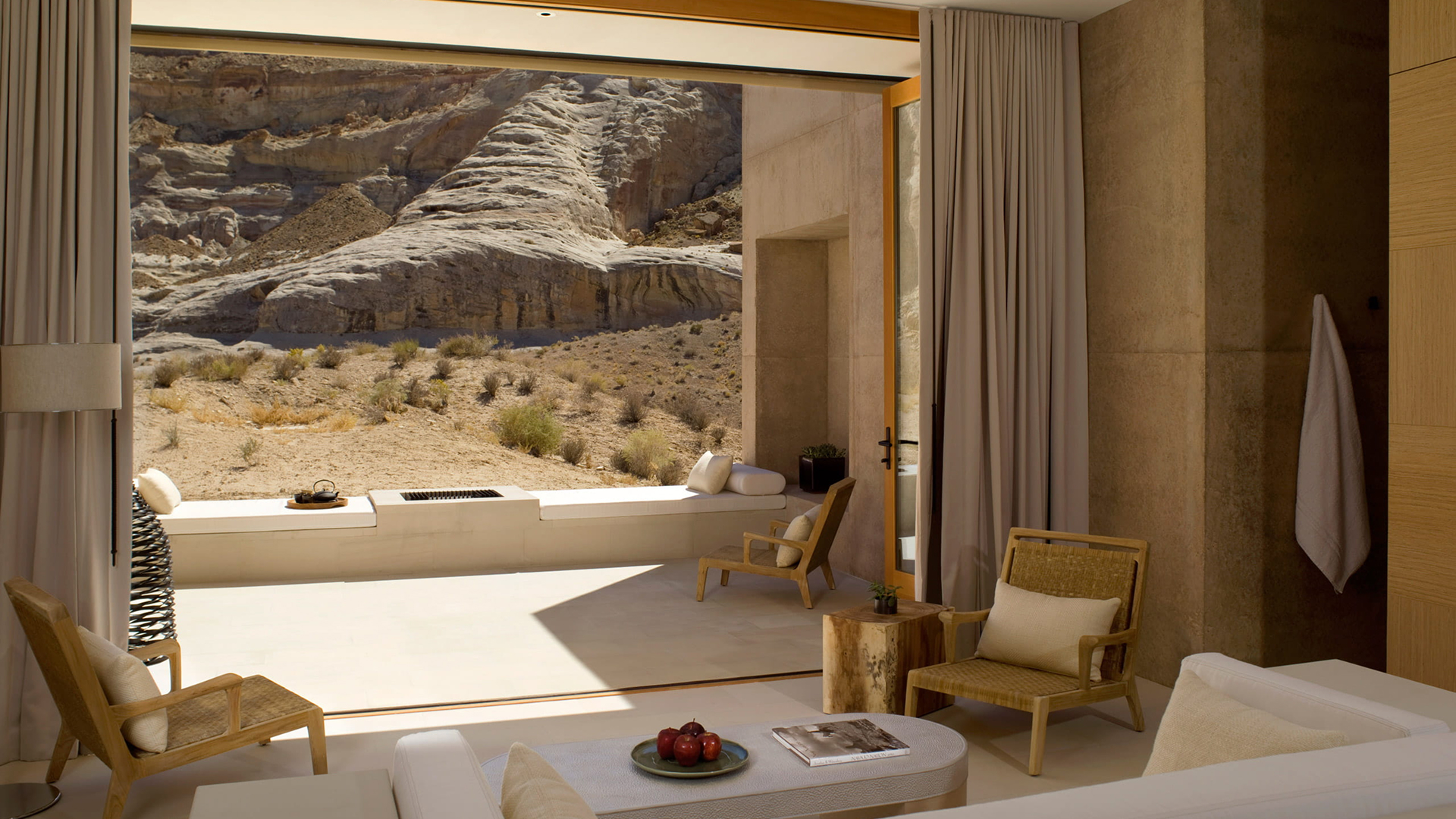
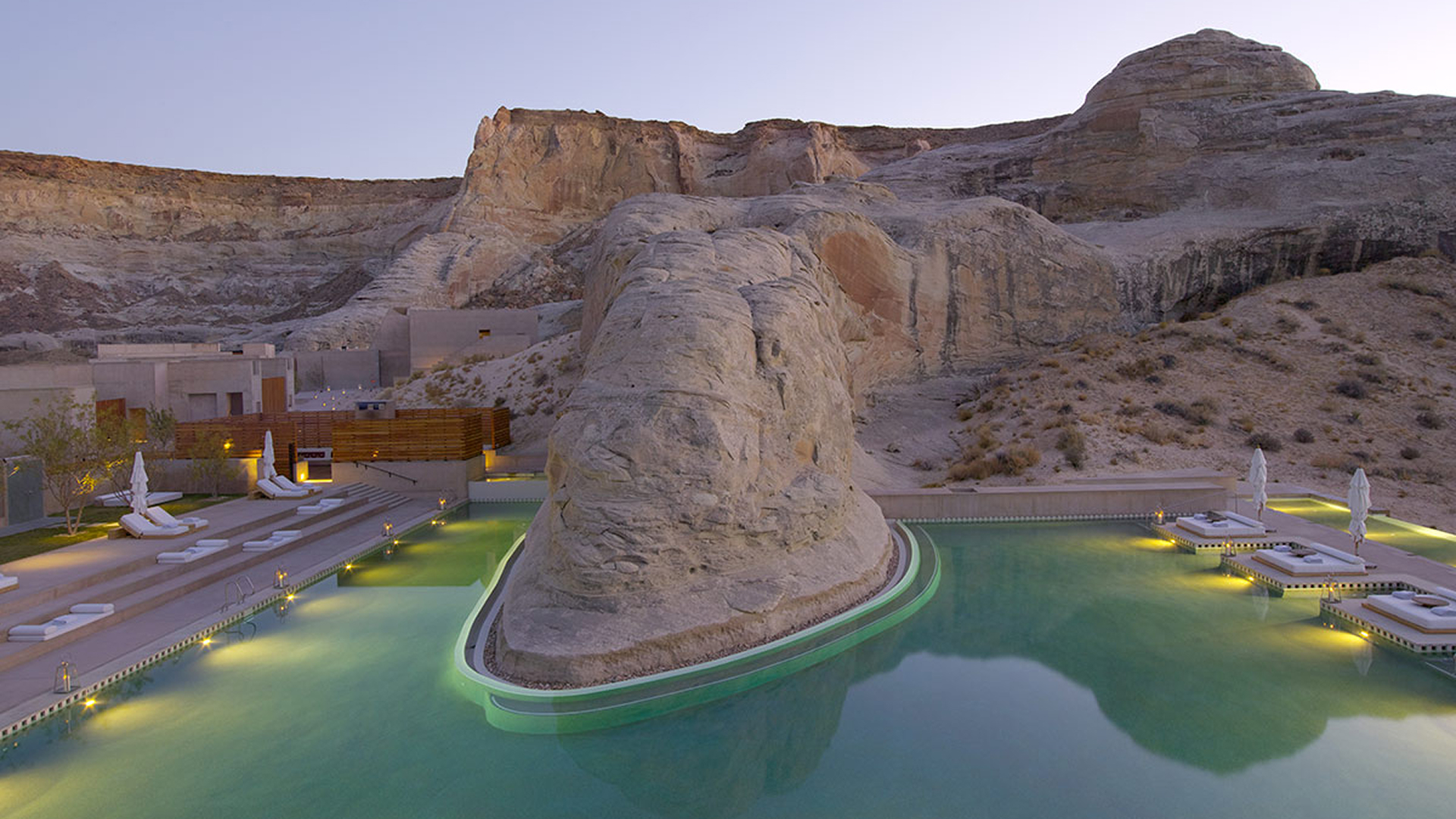
The approach developed by Aman Resorts perfectly illustrates this trend. The group's properties focus on highly personalized stays, intentionally tranquil environments, and strong integration into the local landscape to create a more intimate relationship with the destination and the rhythm of travel.
Expectations regarding well-being are also evolving rapidly. Travelers are increasingly looking for spaces that promote calm, recovery, and more balanced travel rhythms.
Social media is also influencing this transformation. Guests are looking for places that offer a strong identity, a cohesive aesthetic, and moments they want to share during their stay.
This evolution is gradually changing the traditional standards of luxury hospitality.
How are premium hotels adapting their services and organization?
High-end establishments are gradually adapting their operations to meet these new expectations.
Personalization is becoming a central element of the guest journey. Hotels are striving to better understand their visitors' habits in order to tailor specific services, recommendations, or activities offered during their stay.
In some establishments, this approach begins as early as the booking stage, with more direct communication, recorded preferences, and more flexible guest journeys.
Well-being is also taking on a more significant role in the organization of premium hotels. Spas are evolving toward more holistic approaches that integrate recovery, sleep, physical activity, and daily rhythm balance.
Six Senses develops, for example, programs focused on sleep, physical recovery, and personalized wellness, with stays designed around guests' lifestyles rather than a traditional spa-only approach.
Environmental expectations are also influencing hotel strategies. Travelers are paying more attention to the materials used, resource management, and how hotels integrate into their local surroundings.
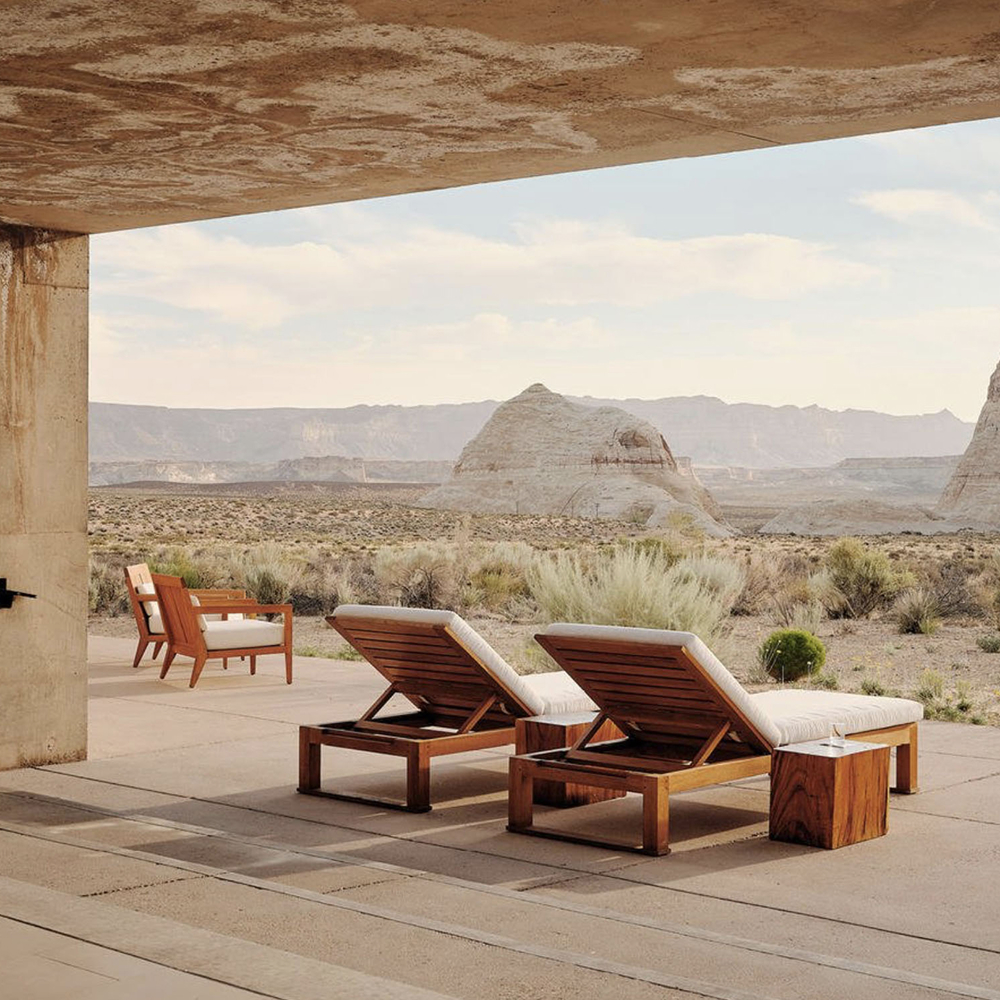
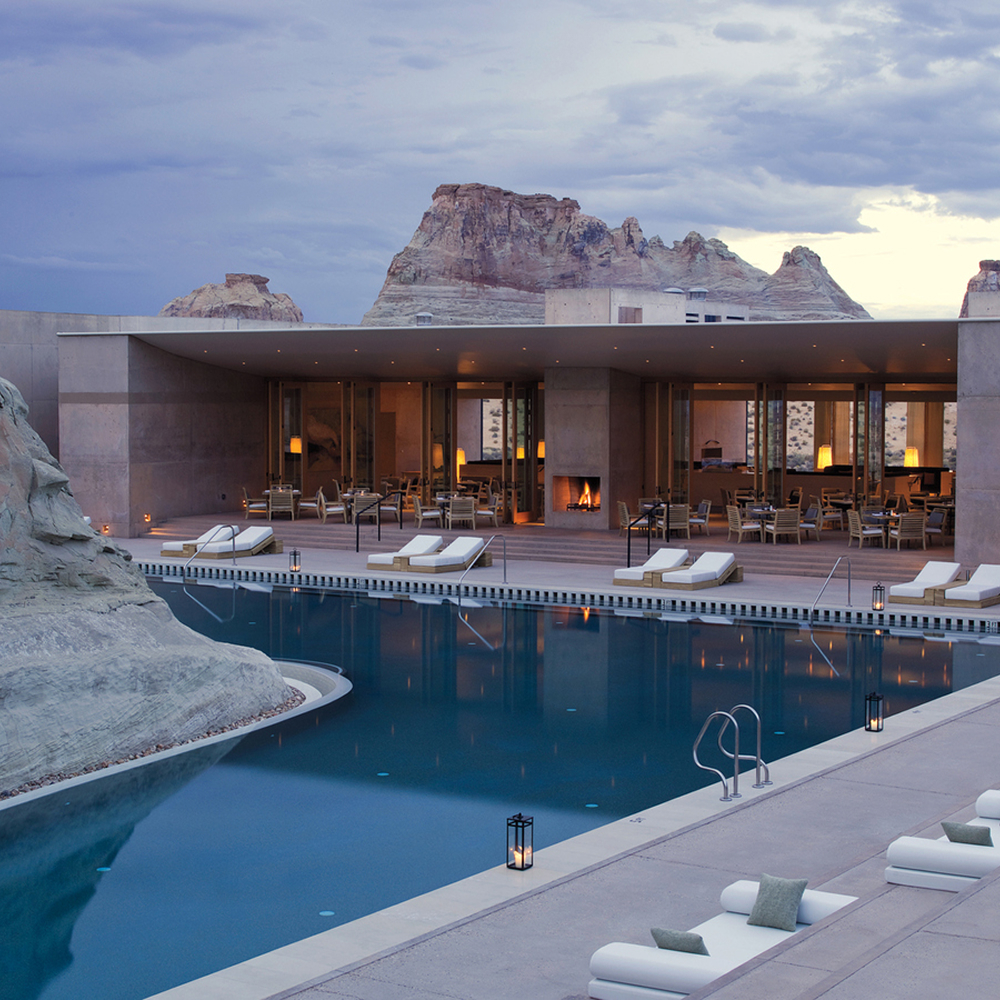
Some establishments are now prioritizing more discreet, immersive approaches that are better connected to their local area.
How are luxury hospitality professions evolving to meet these new expectations?
These transformations are gradually changing the skills required in luxury hospitality roles.
Establishments are looking for professionals who can understand the expectations of a clientele that is more attentive to the entire guest experience. Interpersonal skills, adaptability, and an understanding of new trends now play a significant role in hospitality management careers.
Teams today work on a much wider range of topics related to wellness, guest experience, sustainability, and the digital tools used in premium establishments.
Hospitality schools are gradually adapting their curricula to prepare students for these shifts. Internships and work-study programs, in particular, provide an opportunity to observe how high-end hotels are evolving their standards and services.
The experiences offeredinternationally also provide exposure to different models ofnext-generation hospitality and various approaches to luxury hotels. Professional immersion programs, such as the Château internship, finally, allow students to discover the operational and interpersonal demands expected in premium establishments.
Observing new trends in luxury hospitality
Traveler expectations continue to transform luxury hospitality standards and the strategies developed by premium establishments.
The programs at the Institut Français de l’Hôtellerie provide a better understanding of industry trends and the new challenges of management in luxury hospitality.
