

Why are hospitality professions evolving so quickly?
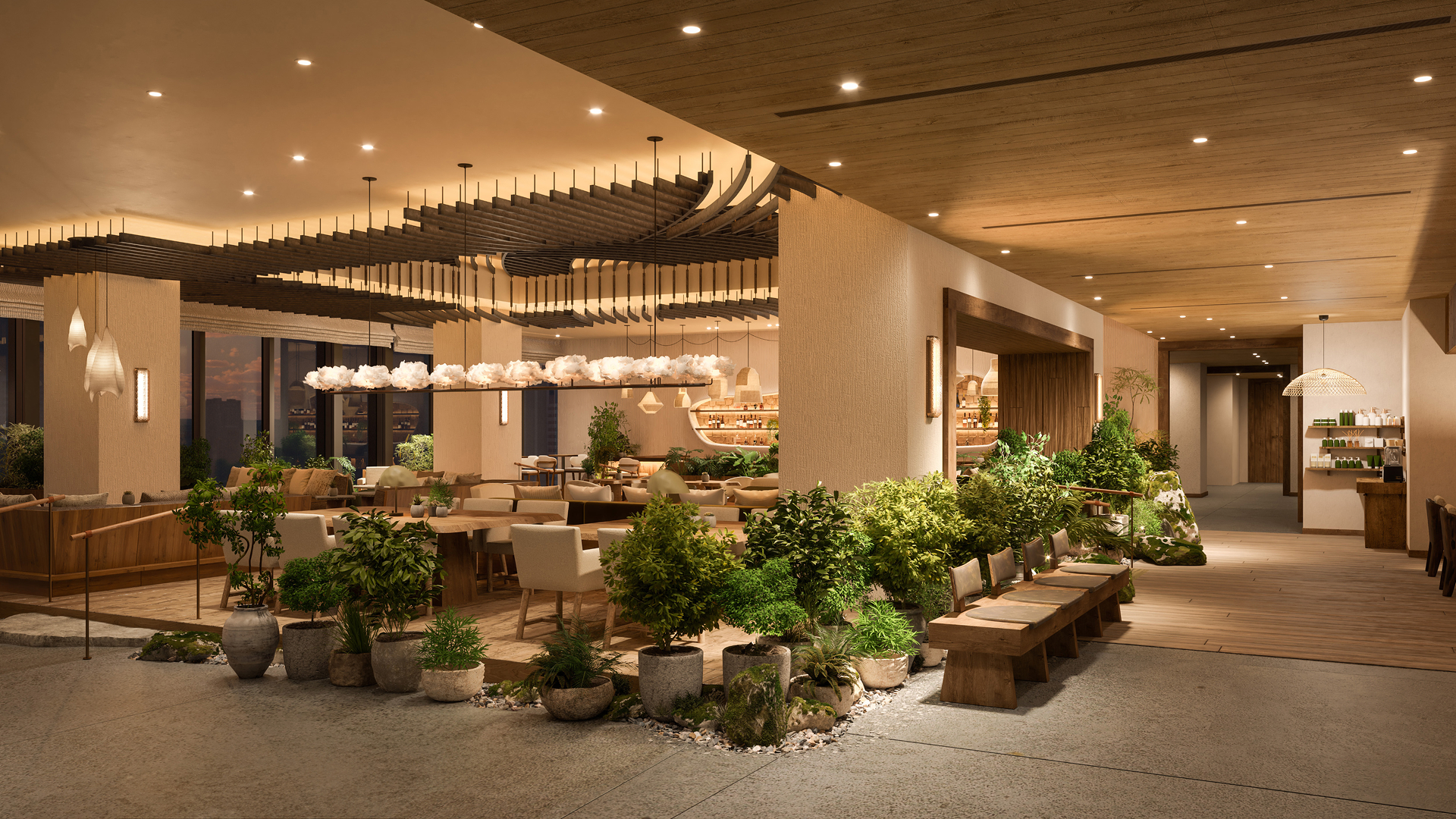
Why is the hospitality sector changing so much today?
The hospitality industry is evolving under the influence of several simultaneous transformations. Guests book online, compare experiences, use their mobile devices during their stay, and expect quick responses before, during, and after their arrival.
This evolution is changing the daily work of staff. The front desk is no longer limited to physical check-ins. Customer service now also takes place through apps, messaging services, CRM tools, and booking platforms.
The example of the loyalty program Hilton Honors clearly demonstrates this evolution. Guests can access their room with a digital key, check out online, and customize certain aspects of their stay directly from their mobile app. These tools reduce friction and change the role of staff, who now focus more on providing support and resolving specific issues.
Artificial intelligence is also accelerating these changes. In some establishments, it helps forecast demand, adjust pricing, automate simple responses, or analyze booking behaviors. These applications do not replace staff, but they do change the skills required in hospitality management roles.
How are new traveler expectations influencing hospitality careers?
Travelers today expect more flexibility, more personalization, and more consistency in their experience. A hotel stay is no longer judged solely by the room or the quality of service. It is built throughout the entire journey, from booking to departure.
Sustainability is also becoming a key selection criterion. Guests are paying closer attention to resource management, product sourcing, responsible practices, and how the hotel integrates into its environment.
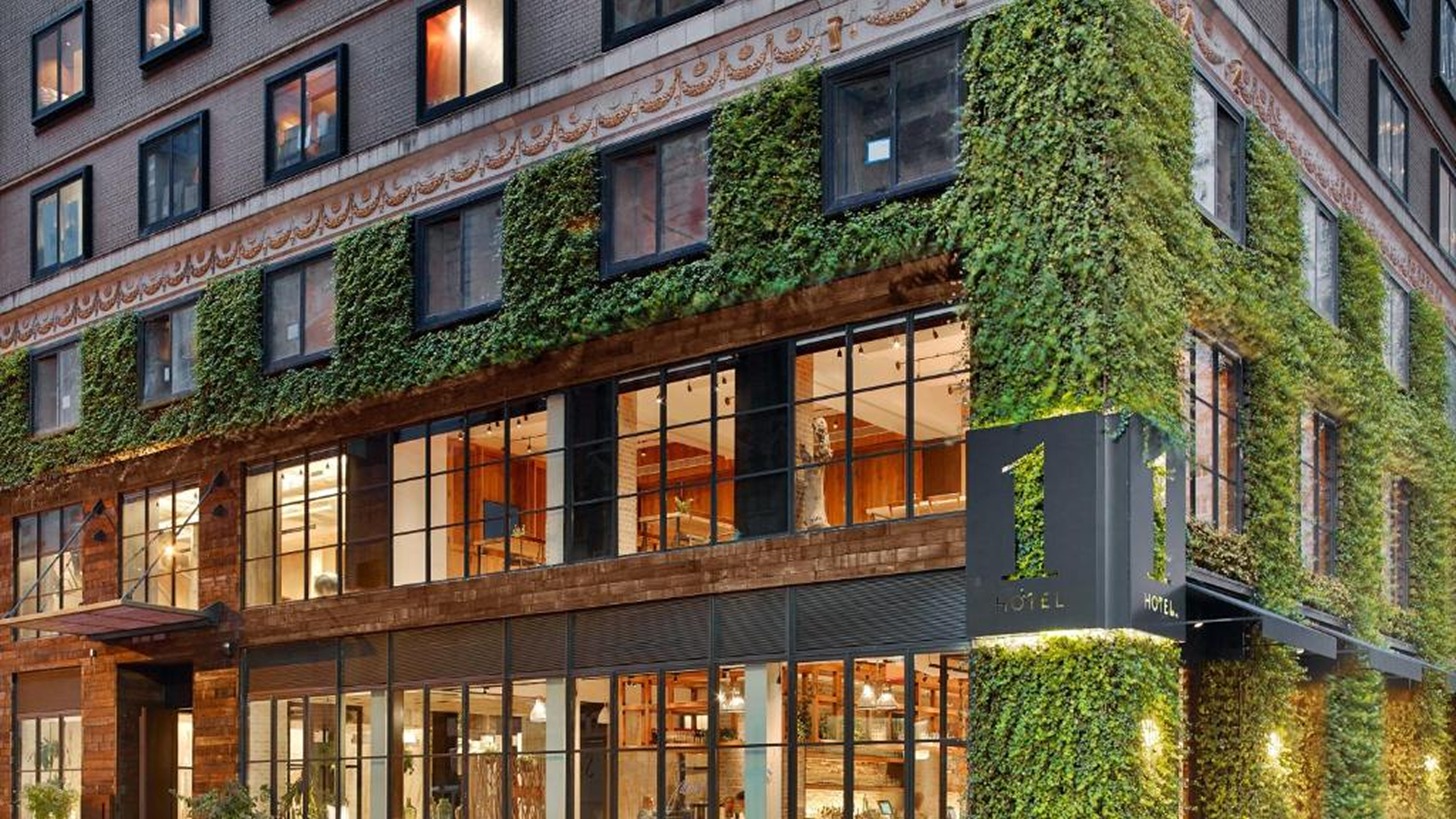
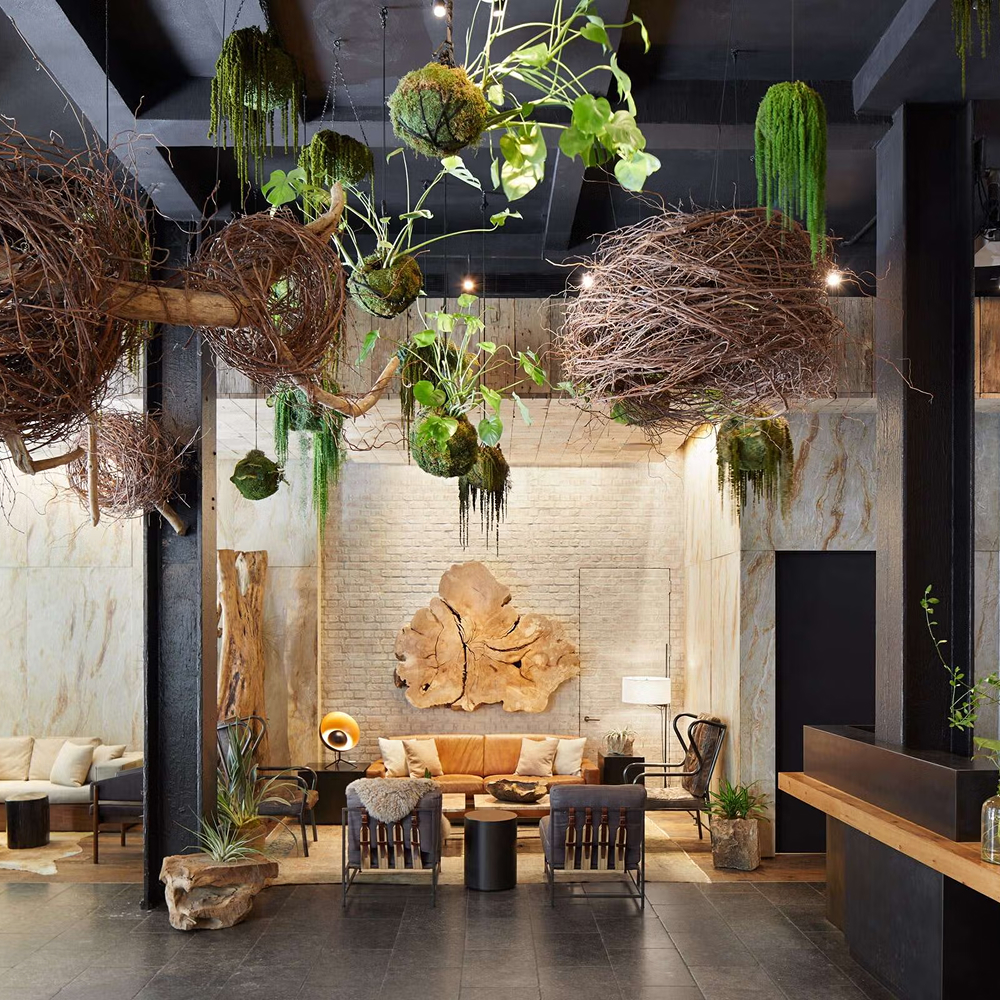
The hotel collection 1 Hotels illustrates this evolution with an approach centered on materials, local products, responsible food practices, and an experience designed around sustainability. The challenge is not just to communicate about ecology, but to integrate these choices into the practical operations of the establishment.
These new expectations are creating a need for new skills. Professionals must understand customer relations, environmental issues, digital tools, and hybrid stay models related to remote work or long-term stays.

How are hospitality schools adapting to the careers of tomorrow?
A modern hospitality school must prepare students for a sector that is more technical, more digital, and more demanding regarding the quality of the guest experience. The fundamentals remain essential, but they are no longer enough.
Hospitality management programs must integrate digital tools, data analysis, and revenue management, customer relations, sustainability, and team management in increasingly complex environments.
Internships and work-study programs bridge the gap between theory and the reality of the field. Students observe how hotels organize their teams, utilize their tools, and adapt their services to meet guest expectations.
Programs with aninternational focus also allow students to compare different hospitality models and understand how practices evolve across various markets. Experiences such as the Château internship ultimately help students confront the operational demands of the industry.
Understanding the new challenges in hospitality
Hospitality roles are evolving due to digital trends, changing guest expectations, and shifts in travel habits. To keep pace with these changes, future professionals must develop a more comprehensive view of the industry.
The programs at the Institut Français de l’Hôtellerie address these challenges through a hospitality management curriculum tailored to the current realities of the sector.
